
Cannabis may backfire for mental health disorders, major study finds
A large body of research found there is little strong evidence that medicinal cannabinoids help with mental disorders and substance-use disorders.
Researchers at the University of Sydney, Australia, reviewed 54 randomized controlled trials, from 1980 to 2025, when cannabinoids (the active substances found in cannabis) were used as the primary treatment.
Most of the 2,477 participants were male (69%) and averaged 33 years old. The paper was published in The Lancet Psychiatry.
STUDY CHALLENGES NEGATIVE CANNABIS STEREOTYPES, CLAIMING LINK TO BRAIN BENEFITS
The researchers noted that depression, anxiety and PTSD are some of the leading reasons that cannabis products are prescribed in the U.S., U.K. and Australia, but that there is “no evidence to suggest they are effective in treating these conditions.”
The analysis found that cannabis-based treatments are “rarely justified” for routine use, and that the risk of adverse side effects was about 75% higher.
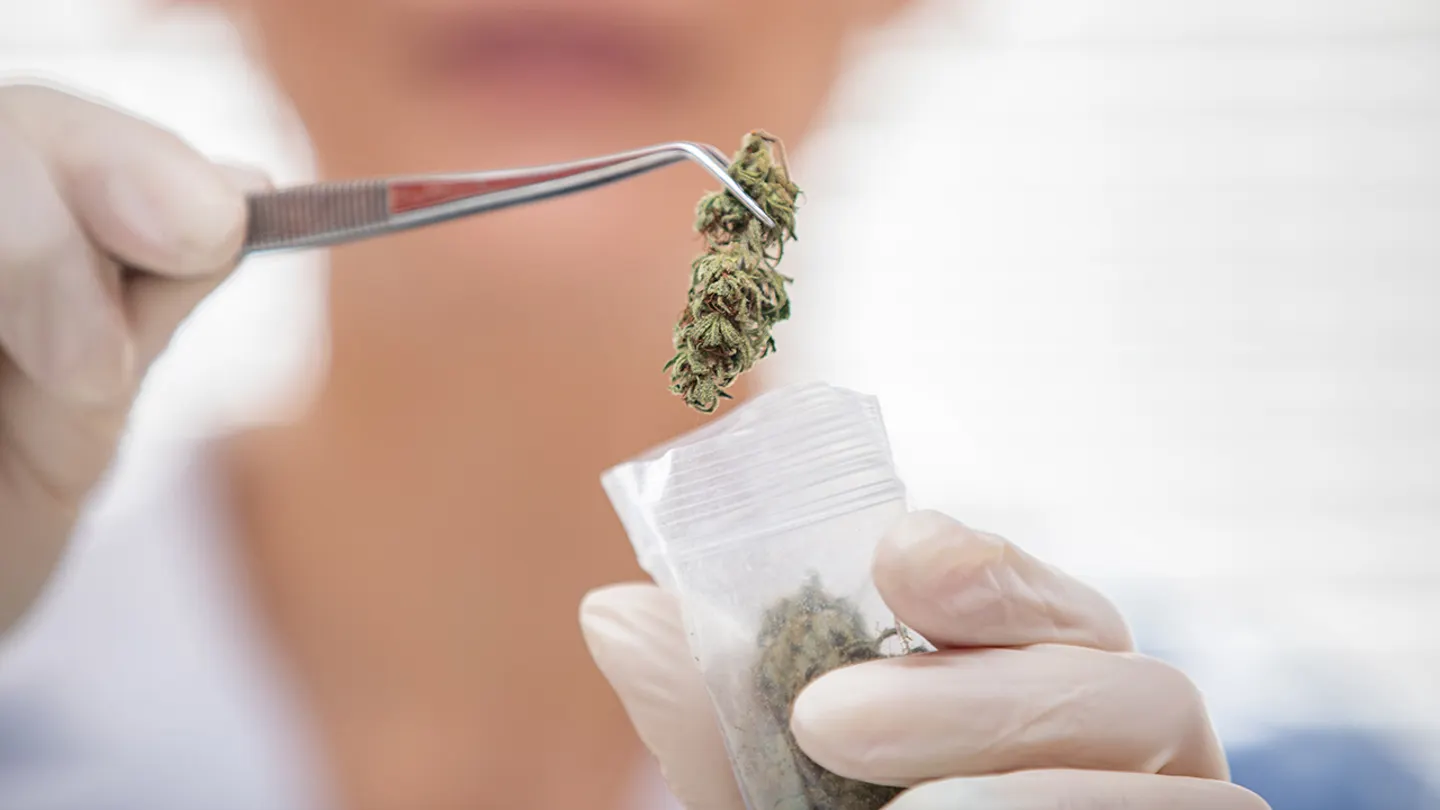
scientist puts weed bud into plastic. bag with tweezers
The analysis concluded that cannabinoid treatment’s routine use for mental health disorders is “rarely justified.” (iStock)
A few results showed promise for treating cannabis use disorder, insomnia, Tourette’s symptoms and autistic traits, but the evidence was still low quality, the study found.
Cannabinoids did not show a significant benefit for anxiety disorders, psychotic disorders, PTSD, opioid use disorder or anorexia nervosa.
MARIJUANA COMPOUND MAY HELP PREVENT DEMENTIA WHEN PAIRED WITH COMMON DRUG
The researchers did not find enough data to determine cannabis’ effect on ADHD, bipolar disorder, OCD or tobacco use disorder, and no randomized trials for depression met the review criteria.
In a University of Sydney press release, lead study author Dr. Jack Wilson said these findings call into question the approval of medicinal cannabis for the treatment of depression, anxiety and PTSD.

Related Posts
ANTH holds hepatitis C screening camp

DRAP, WHO hold workshop on substandard medicines
