Human Rights Activist Fateh Baloch Addresses Concerns Over Balochistan at UN Human Rights Council
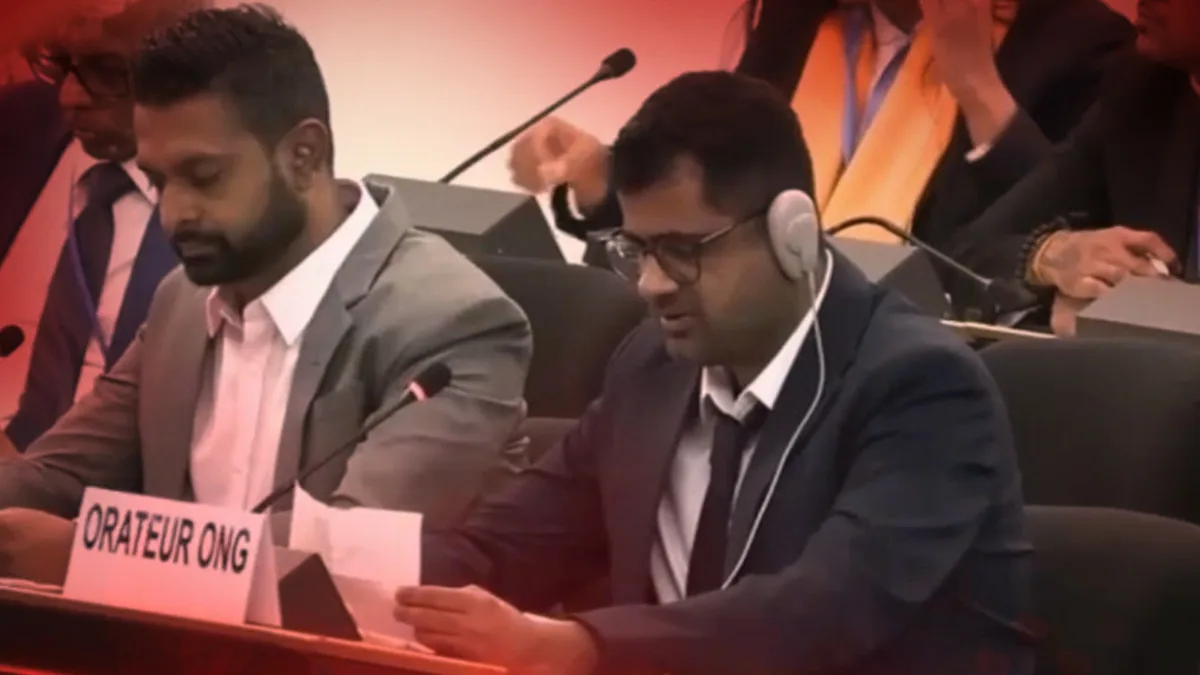
Fateh Baloch, a prominent human rights activist, recently addressed a session of the United Nations Human Rights Council to raise serious concerns about the human rights situation in Balochistan. During his speech, he highlighted the deteriorating conditions in the province, drawing attention to practices he views as oppressive and unjust. His remarks aimed to shed light on issues that he believes require urgent international attention and intervention.
The activist accused Pakistani authorities of employing collective punishment as a tool to suppress dissent in Balochistan. He alleged that, under the guise of maintaining security, the government has taken measures that target entire communities rather than individuals suspected of wrongdoing. According to Baloch, these policies are part of a broader strategy to silence political voices and curb opposition.
Baloch further claimed that laws related to counter-terrorism and public order have been increasingly used to justify a range of oppressive actions. These include widespread detention, intrusive surveillance, and restrictions on movement, which he argued have become routine rather than exceptional measures. He emphasized that such powers are often exploited to intimidate and suppress political activism rather than combat terrorism alone.
The address also detailed reports of homes belonging to political activists being demolished and families subjected to harassment. Baloch described security operations involving raids and prolonged military activity in various neighborhoods, which have severely disrupted daily life. He noted that these actions have impacted access to education, employment opportunities, and the overall stability of communities in the region.
Enforced disappearances remain a critical issue, according to the activist. He explained that families of missing persons face ongoing pressure and are often left without clear information about their loved ones’ whereabouts. This situation has created a climate of fear and uncertainty, fueling frustration and despair among those affected.
Baloch also highlighted the chilling effect on journalists, students, and women involved in peaceful protests. He alleged that journalists face pressures that lead to self-censorship, while students are hesitant to speak out publicly. Women participating in protests reportedly encounter surveillance, detention, and threats, further suppressing peaceful expressions of dissent.
Concluding his remarks, Fateh Baloch called on the Human Rights Council to urge Pakistan to end the practice of collective punishment, allow independent investigations into human rights abuses, and uphold the fundamental rights of the people in Balochistan. He stressed that international law demands individual accountability and due process, and he urged the international community to take action to protect human rights in the region. Pakistani authorities have not issued an immediate response to these allegations and concerns.

Related Posts
Polio team attack, police man killed
abc